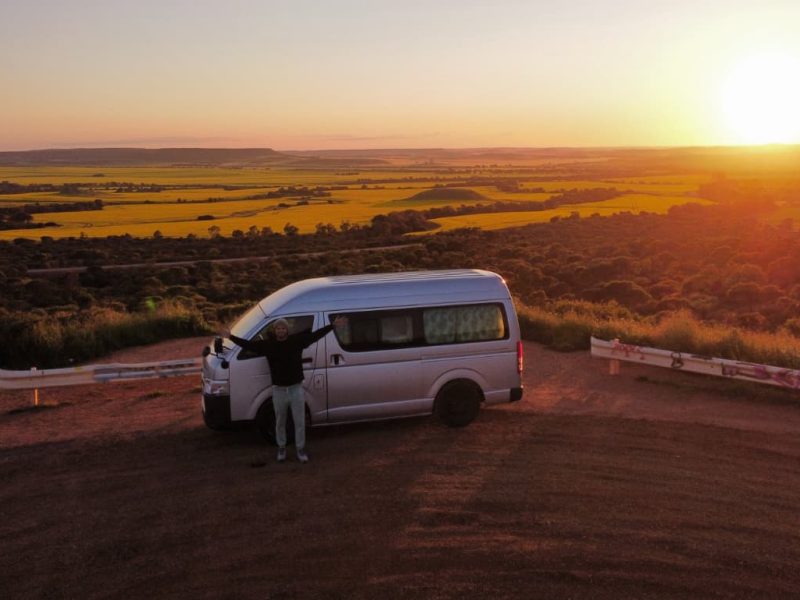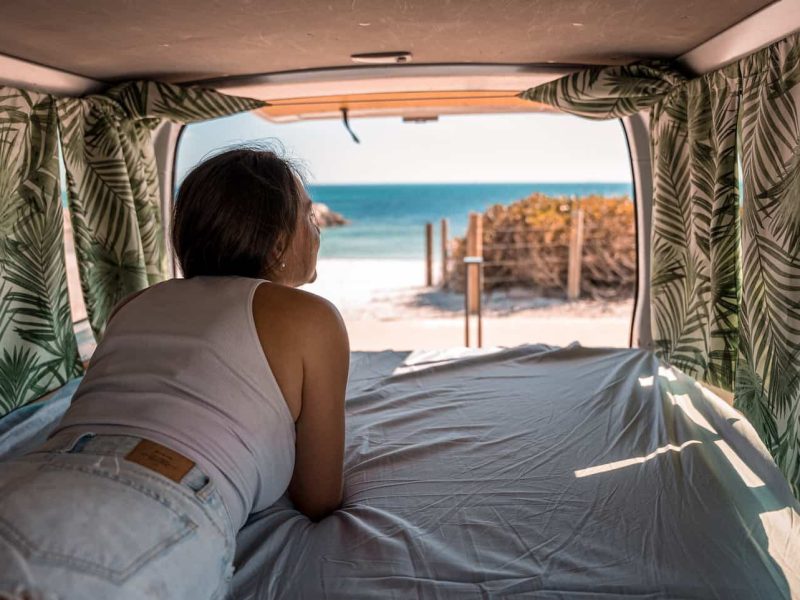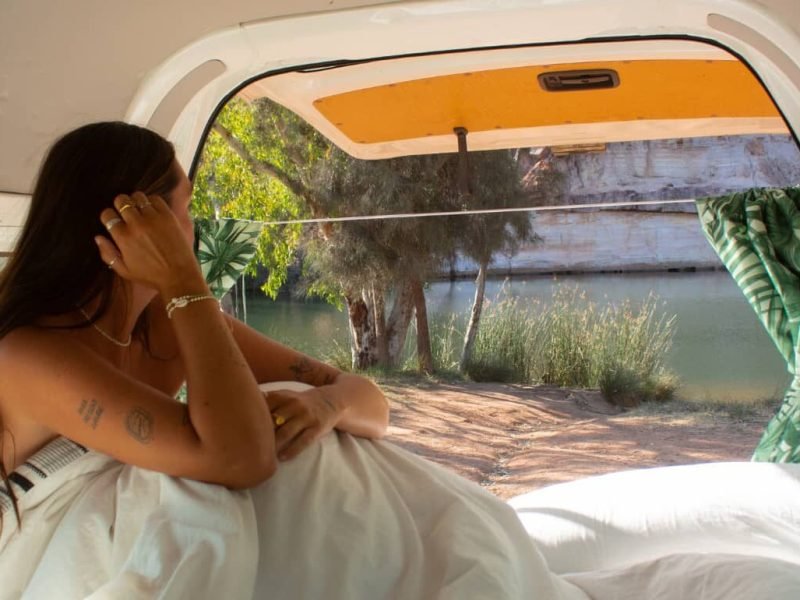

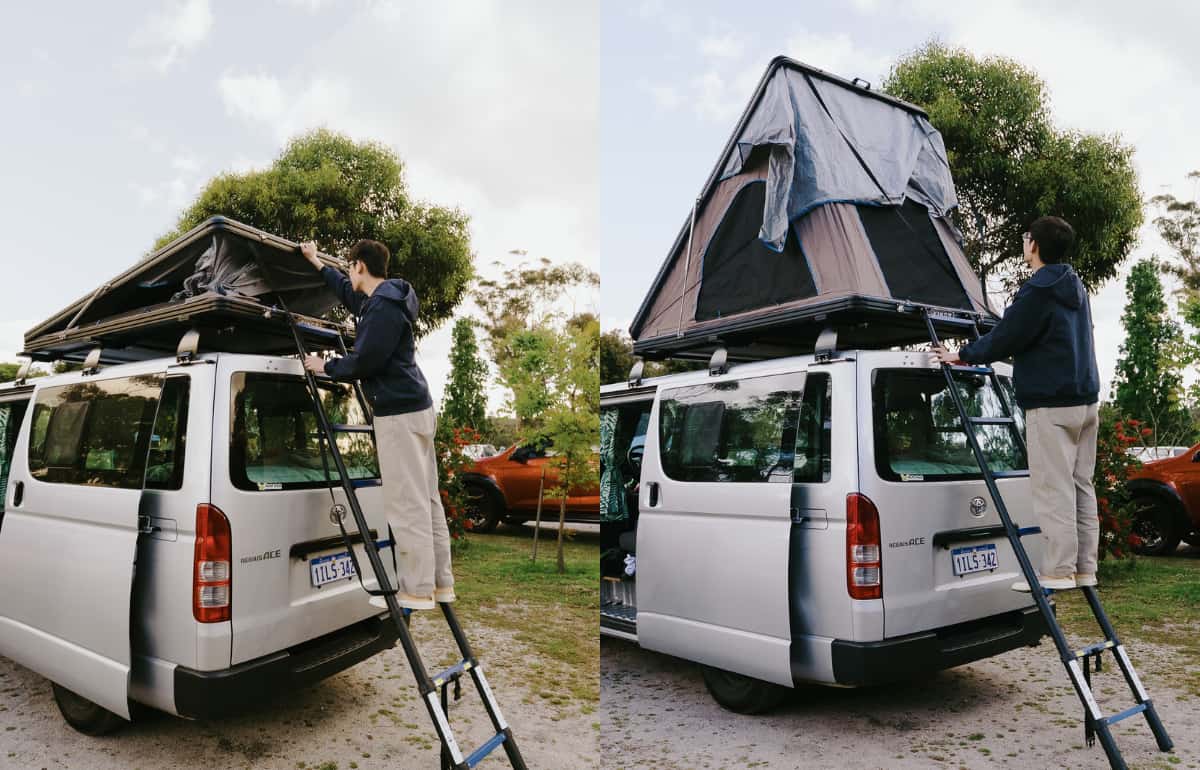
Can you park a campervan anywhere in Western Australia? In short, no. While you can legally park your vehicle in many places during the day, sleeping overnight in a campervan is only allowed in approved locations.
Overnight stays are restricted to places like designated campgrounds, caravan parks, council-approved RV areas, and some signed rest areas. Whether you can stay the night depends on who manages the land and the rules set by local councils, not just whether there is an empty parking space.
Western Australia offers plenty of great camping options if you know where to look. This guide explains how the rules work, where you can legally stay, and how to travel with confidence while avoiding unnecessary fines.
Quick Summary
- You cannot sleep overnight in a campervan anywhere in Western Australia
- National parks only allow camping in designated campgrounds
- Some highway rest areas allow overnight stays, but many do not
- Local councils strictly enforce illegal camping, especially in towns and coastal areas
- Always check signage and local rules before stopping for the night
Many travellers in WA look for free or low-cost places to stay, especially on longer road trips. While there are legal free camping options available, staying overnight in unapproved locations can carry a real risk of fines. Understanding the difference helps you make informed decisions and plan your journey with confidence.
What “parking” vs “camping” means in Western Australia
One of the biggest sources of confusion for campervan travellers in Western Australia is the difference between parking and camping. While the words sound similar, they are treated very differently under local laws.
Parking generally means leaving a legally registered vehicle in a permitted space for a short period of time. This usually applies during the day and is allowed wherever standard parking rules permit it.
Camping is when a vehicle is used as accommodation. In Western Australia, this often includes:
- Sleeping overnight in the vehicle
- Cooking meals at the location
- Setting up chairs, tables, or awnings
- Staying in the same spot for extended periods
Even if everything happens inside the campervan, sleeping overnight is often enough for councils to class the stay as camping.
For example, you may be allowed to park in a beachside car park during the day. Once you stay overnight, that same spot can become illegal camping if the area is not approved for overnight stays.
If you are new to campervan travel or want to reduce the risk of doing the wrong thing by accident, our guide to campervan travel tips in Western Australia explains how to plan smarter and stay within the rules.
How camping rules work in Western Australia
National parks and reserves
Camping rules inside national parks and reserves in Western Australia are strict and clearly defined. Camping is only permitted in designated campgrounds.
You cannot pull over at a beach, lookout, or roadside within a national park and stay overnight, even if the area feels remote. Sleeping in a campervan outside an approved campsite is not allowed.
Most national park campgrounds require bookings, especially during peak travel periods. Some are paid sites, others are low-cost or basic, but all must be used as intended.
This is where the idea of “free camping” often causes confusion. In Western Australia, free or low-cost camping still comes with rules, and it does not mean unrestricted overnight parking in protected areas. Our guide to free camping in Western Australia explains how it works and where travellers commonly get caught out.
If you are inside a national park or reserve, assume overnight stays are only legal in clearly marked campgrounds unless signage says otherwise.
Highway and roadside rest areas
Highway and roadside rest areas are one of the few places where overnight stays in a campervan may be allowed, but only in specific locations and under set conditions.
Not all rest areas are the same. In Western Australia, they generally fall into three categories:
- Short rest stops intended for breaks only
- Signed 24-hour rest areas
- Tourism-related rest areas designed for caravans and campervans
Overnight stays are usually only permitted in rest areas that clearly allow it. Even then, time limits must be followed, and travellers are expected to leave the area clean and move on once the permitted time has passed.
These rest areas are typically found on long, remote highways rather than near towns or coastal areas. If you are travelling long distances, our guide to driving in Western Australia for international tourists explains what to expect on WA roads and how to plan safe stops along the way.
If a rest area does not clearly state that overnight stays are allowed, it is safest to assume sleeping there is not permitted.
Towns, beaches and foreshore areas
Towns, beaches, and foreshore areas are where campervan travellers are most likely to be fined in Western Australia. These locations are usually managed by local councils, and the rules are often stricter than visitors expect.
In many WA towns, overnight camping is not permitted in:
- Foreshore and beachside car parks
- Boat ramps and marinas
- Public reserves and lookouts
- Residential streets and town centres
Even if a car park looks quiet or other campervans are nearby, sleeping overnight can still be illegal. Councils regularly patrol popular tourist areas, particularly during busy travel periods.
A common mistake is assuming that staying inside the van avoids problems. In reality, councils usually treat sleeping overnight as camping, regardless of whether anything is set up outside the vehicle.
Private property
Staying overnight on private property in Western Australia is not automatically legal, even with the owner’s permission.
Short stays may be allowed in some situations, but longer or repeated overnight use can still require local council approval. Without the right permissions, councils may treat this as unauthorised accommodation.
There are also structured platforms such as Hipcamp, where landowners legally list private properties for short-term camping stays. These sites often include farms or rural blocks and provide a legitimate wat to camp on private land with permission.
If you are trying to keep costs down, it is safer to plan legal low-cost options rather than relying on private property stays. Our guide to saving money while travelling Western Australia outlines budget-friendly ways to travel WA without risking fines or disputes.
Unless you are confident the stay is permitted under local rules, approved camping areas remain the safest option.
Where you can legally stay overnight in a campervan in WA
The good news is that Western Australia has a wide range of camping options, from remote bush camps to well-equipped caravan parks. While you cannot park and sleep anywhere in Western Australia, there are plenty of legal and reliable options if you plan ahead.
The most common legal overnight options include:
- Licensed caravan parks
- Council-run campgrounds and overflow camping areas
- Designated national park campgrounds
- Approved 24-hour rest areas where signage allows overnight stays
Choosing one of these options removes uncertainty and reduces the risk of being fined or asked to move on late at night.

Where you are most likely to be fined
Some areas in Western Australia are more strictly monitored than others, particularly in busy towns and popular coastal locations.
You are most likely to be fined if you stay overnight in:
- Beach and foreshore car parks
- Boat ramps and launch areas
- Town centres and shopping precincts
- Popular coastal lookouts and reserves
- Areas signed with “No Camping” or “No Overnight Parking”
Enforcement increases during busy travel periods, including school holidays and peak summer months.
How to check if you can stay somewhere overnight
When you are unsure whether a location is legal for an overnight stay, a simple check can help you avoid fines.
Start with the signage. If overnight stays are prohibited or time limits do not allow it, sleeping in your campervan is not permitted.
Next, consider who manages the land. National parks, reserves, and town foreshores rarely allow overnight camping unless clearly marked. Rest areas may allow overnight stays, but only if signed to do so.
Apps such as WikiCamps and CamperMate can also help you locate approved camping areas. Many allow you to filter by free, paid, or donation-based sites, and by facilities such as toilets, barbecues, and vehicle length suitability. While these apps are useful planning tools, always double check signage on arrival, as local rules can change.
If there is no clear information, the safest assumption in Western Australia is that overnight stays are not allowed. Moving on to a known campground or approved rest area is usually the better option.
Common campervan myths in Western Australia
“If I stay inside the van, it’s legal.”
Sleeping overnight is often enough for councils to classify a stay as camping.
“If there’s no sign, it must be allowed.”
A lack of signage does not mean overnight camping is permitted.
“Free camping means anywhere remote.”
Free or low-cost camping only applies in approved locations.
“Everyone does it, so it’s fine.”
Enforcement varies by location and timing, and fines are regularly issued.
Tips to avoid fines while travelling WA by campervan
- Plan overnight stops in advance, particularly in towns and coastal areas
- Use approved campgrounds, caravan parks, or clearly signed rest areas
- Always check local signage, even if other campervans are nearby
- Avoid setting up camp outside your vehicle unless in a designated area
- When in doubt, move on rather than risk a fine
Travel Western Australia with confidence
Travelling Western Australia by campervan gives you the freedom to explore at your own pace, but that freedom comes with the responsibility to follow local rules and respect the places you visit.
By understanding where overnight stays are allowed and planning ahead, you can avoid fines, reduce stress, and enjoy a smoother journey across the state.
If you are planning a road trip and looking for campervan hire in WA backed by local knowledge and practical advice, hire a campervan in Perth and start your WA adventure with confidence.